

You hold how work feels for people.
We help you get it right.









“I would encourage organisations to engage with Mycelium, taking on-board the lessons with a view to implementing their approach to the benefit of all.”
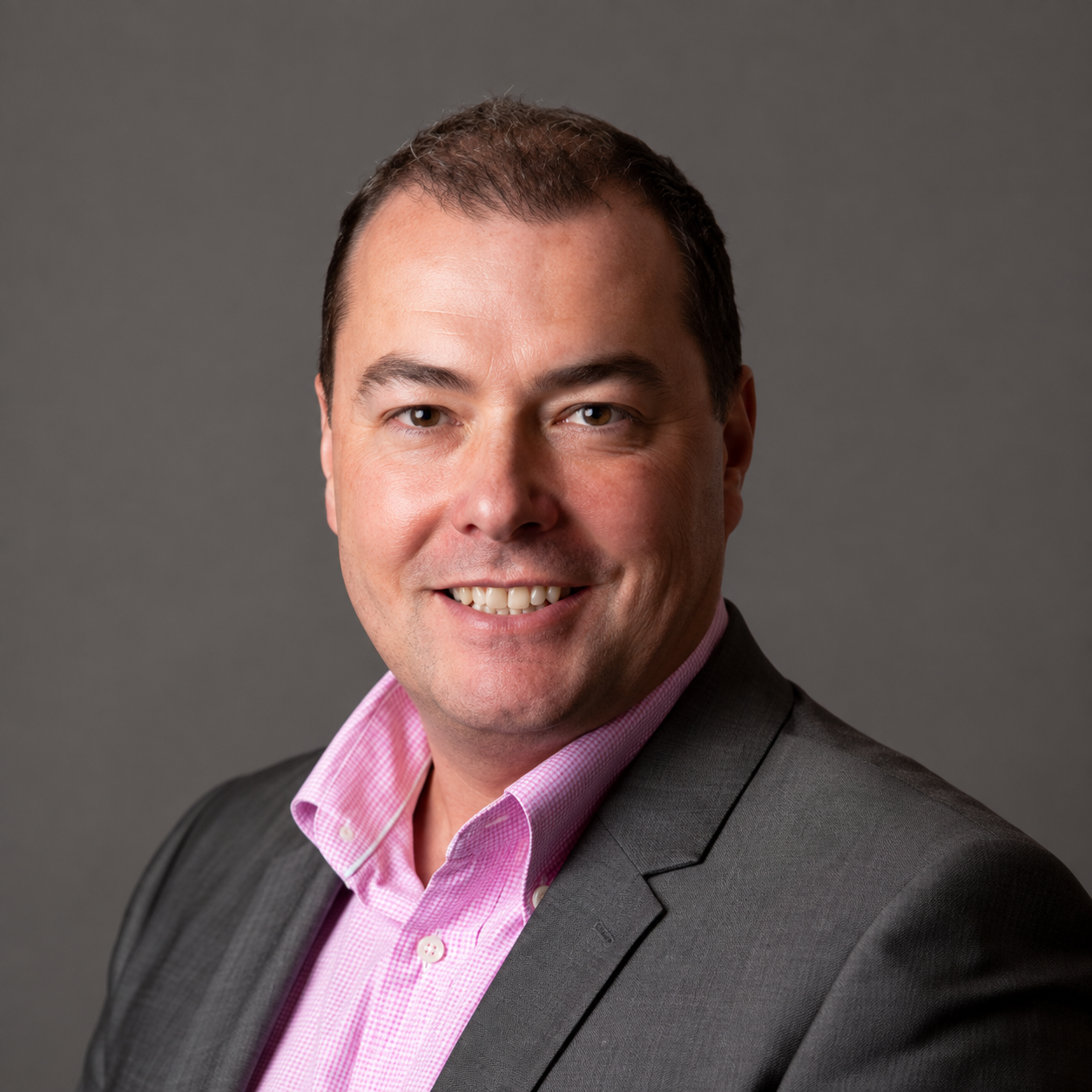
Lawrence Webb, Ex-President & Trustee, Institution for Occupational Safety & Health

Sound Familiar…?
Stress-related absence and turnover keep climbing
1
The same pressures surface as grievances, then as claims
2
Difficult behaviour goes unaddressed, and support is thin
3
Change lands on people faster than they can absorb it
4
Workload concentrates in parts of the organisation and stays there
5
People have little say over how their work gets done
6
A handful of people are holding it all together.
7
These are psychosocial hazards: features of work design, management and social dynamics with the potential to cause psychological harm.

You already know this is getting harder.
The HSE now inspects psychosocial risk like physical risk. A policy on a shelf is no longer enough — you must manage it.
The obligation is tightening.
The cost is compounding.
Organisational cost surfaces as presenteeism, absence, avoidable turnover, misconduct and transformation drag.
And the pressure is rising.
The same AI and change agendas moving through your organisation are intensifying the conditions for the people they land on.
We get it. And we’ve got you!

We install psychosocial infrastructure in teams and networks.
The practices, protocols and playbooks that manage risk and reduce drag.
So the duty is covered and performance is unlocked.
Sorted.
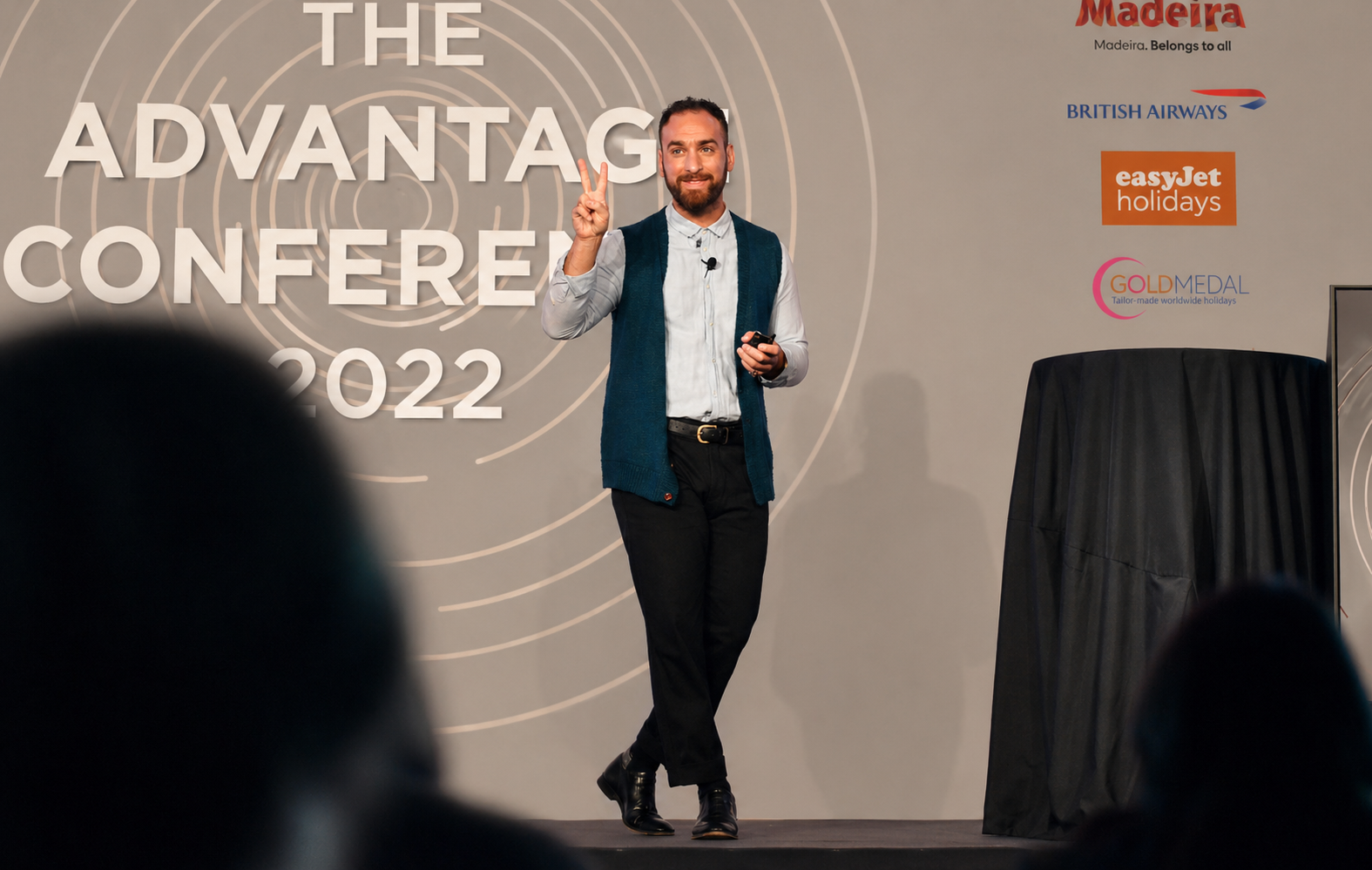
Why the usual fixes don’t hold
"You've probably already tried to fix this more than once.
A restructure. A leadership programme. A culture initiative. Maybe an away day that everyone agreed was excellent and then nothing changed.
Every organisation we work with has that list. And in most cases none of it was wrong. It just aimed at the wrong layer — the individual.
Because these problems are psychosocial: they live in how the work is designed, organised and managed. And that's what shapes people's health, and their performance.
The same conditions that create your legal exposure are holding your teams below their natural performance. The talent is already there — suppressed by how the work is organised under pressure.
So improve those conditions, and you close both gaps at once: the harm you're required to prevent, and the performance you've been leaving on the table.
Fix the environment. The people will follow.”
Bilal Nasim, Managing Director
This isn't only risk. It's drag.
Psychosocial risk — the distance from harm. The duty, the exposure, the escalation you're obligated to prevent.
Psychosocial drag — the distance from potential. The discretionary effort, pace and quality your teams would reach if the conditions weren't holding them back.

92% of Participants Rate Mycelium Training as "Excellent" or "Very Good”
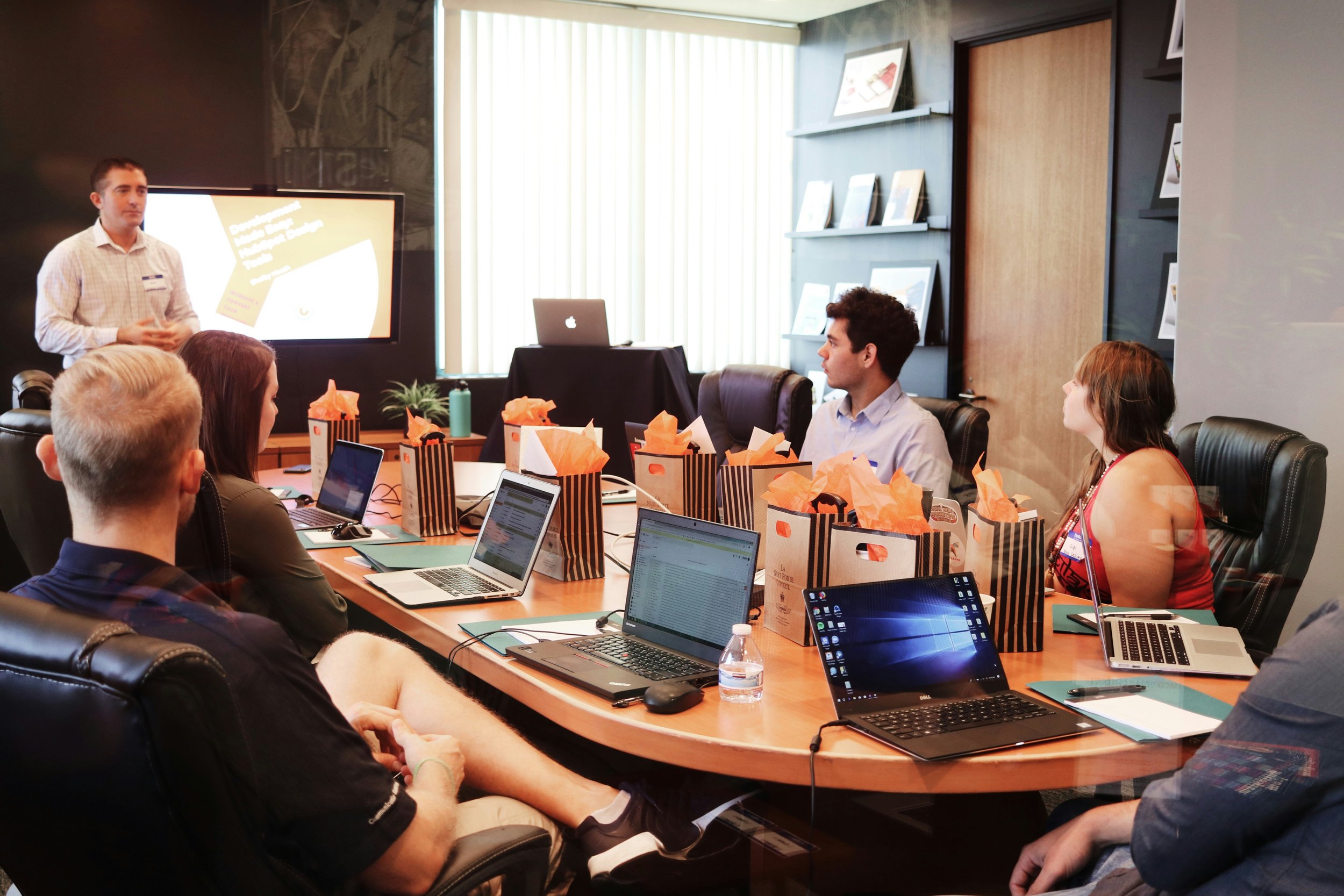
Built on the Health and Safety Executive's evidence base - distilled into a toolkit you can actually use.
The HSE has spent years researching and evidencing what determines whether work harms people or lets them perform. It's the most authoritative body of work there is on the subject — and it identifies six areas: demands, control, support, relationships, role and change.
We've distilled that evidence into a curriculum that meets all six — condensed into four teaching domains, designed for management, not auditing:
-
Shaping the volume, pace and cognitive load of the work — so capacity is managed deliberately, and output stays sustainable instead of collapsing under load.
-
Giving people real say over how they work, and safe channels to raise what needs raising — the strongest single lever on retention, ownership and discretionary effort.
-
Building genuine support on one side and holding difficult behaviour to account on the other — the psychological safety that lets good work travel and keeps conflict out of the tribunal.
-
Holding role clarity in steady state and sense-making through transition — so execution stays fast, rework stays low, and change actually sticks.
Anchored to the HSE Management Standards. Aligned with ISO 45003 and the WHO guidelines on mental health at work.

We install our practises, protocols and playbooks along the two axes that carry psychosocial conditions through an organisation.
What layers do we work at?
Vertically, through managers
01
The HSE names line managers as the primary weak point — and the strongest single lever on how the conditions get managed. We give them the specific moves to execute best practice inside their own team, in real time.
Horizontally, through networks.
02
The axis most organisations leave untapped. Your voice, support and adoption networks are the only structure that carries capability laterally — reaching the conditions no single manager can. We equip them to manage risk and drag across the whole organisation.
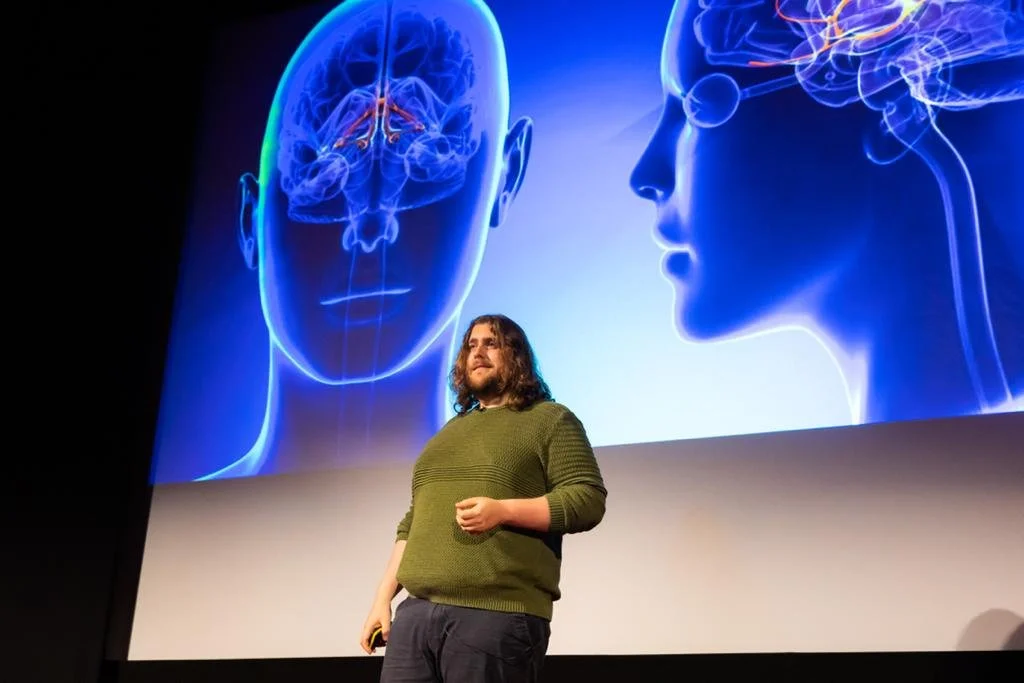
Are a handful of people holding everything together?
"Most organisations have them. The person who notices when workload is about to break a team. Who catches the conflict before it becomes a grievance. Who absorbs the pressure of every change so nobody else has to.
If a team has someone like that, good — the risk is lower while they're there. If it doesn't, the psychosocial risk is simply higher, unmanaged.
But even the team that has one is fragile. Nobody gave them that job — they just cared enough to do it. So the day they stop, burn out or leave, the team loses it, and there's nothing to replace them with.
Researchers call this glue work. And its presence is a symptom — proof that the psychosocial infrastructure was never actually built. Because managing these conditions shouldn't depend on one personality, or the luck of the draw. It can and should be controlled — through protocols, systematisation and playbooks.
That's what we build."
Michael Matania, Founder & CEO
Most organisations run on glue workers — individuals holding it all together through personal heroics and informal workarounds.
Psychosocial infrastructure is what replaces them.
“Mycelium Helped our leaders manage conversations that had previously been avoided. A great partner - always flexible, adaptable and professional. I would highly recommend.”
Marion Martin, Head of L&D at OFGEM
What managing psyhosocial conditions deliver

-
The output the pressure was suppressing, recovered: sustainable capacity, discretionary effort, faster execution.
-
Documented, active, monitored management of the psychosocial conditions — the standard enforcement now expects, effective in practice rather than on a shelf.
-
Transformation and AI adoption that land in behaviour, without the human cost surfacing later as absence and attrition.
-
The system holds the conditions by design, not through the goodwill of whoever happens to care most.
How the work unfolds
-
![]()
1. Diagnose
We identify where the psychosocial conditions are being managed poorly — and what that's costing you, in lost performance and in exposure.
-
![]()
2. Design
We build the specific practices and cadence your context needs. Not a generic framework applied from outside — management practice built around how your organisation actually works.
-
![]()
3. Install
We put it into operation with the managers, teams and networks who need to use it. This is where most efforts stop too soon — and where we don't.
-
![]()
4. Sustain
We stay long enough for the practice to hold on its own — so the conditions keep being managed after we've gone.


“The tools were easily applicable and the discussions invaluable. Our leaders chose to keep meeting weekly to review the practises and share experiences I would certainly recommend working with Mycelium."
— Marguerite Fraser, Head of Talent Management, Morningstar
Where this has worked



Why Mycelium?
We call ourselves Mycelium because it's the perfect metaphor for what a well-managed psychosocial system does.
Mycelium is a fungal network that lives unseen beneath the forest floor. It connects the root systems of the trees, lets them pass information and nutrients to one another, and enables every tree and plant to fill its role in the forest ecosystem.
That's what psychosocial infrastructure does in an organisation. It's a layer beneath the ground — but it feeds everything that happens above it.
“We've been working with Mycelium since 2018 across multiple projects in our business.
They've worked hard to gain a deep understanding of the diverse and complex nature of our organisation - which has enabled them to develop work that is bespoke and designed to produce tangible and sustainable change. Nothing ever feels off the shelf.”
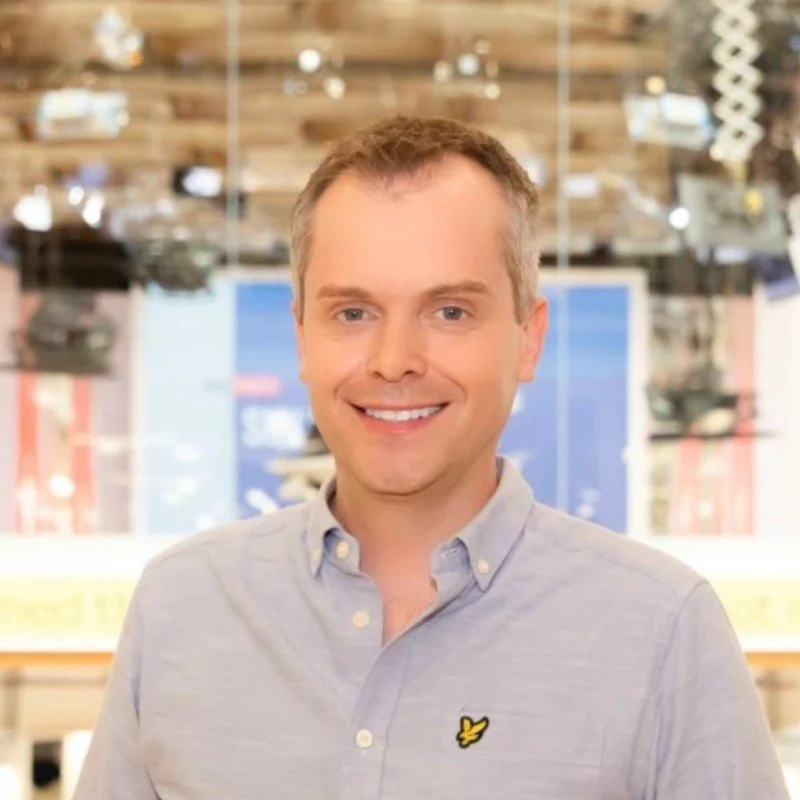
Craig Redihough, Group Wellbeing & Belonging at Sky

Let’s look at it together
If you've read this far, you can probably see which psychosocial conditions are being managed poorly in your organisation.
The Flow Scan gives you and your sponsor a clear, specific view of what's happening, which conditions are driving it, and what should change first.
It's the only free work Mycelium does. And it's the right place to start.